
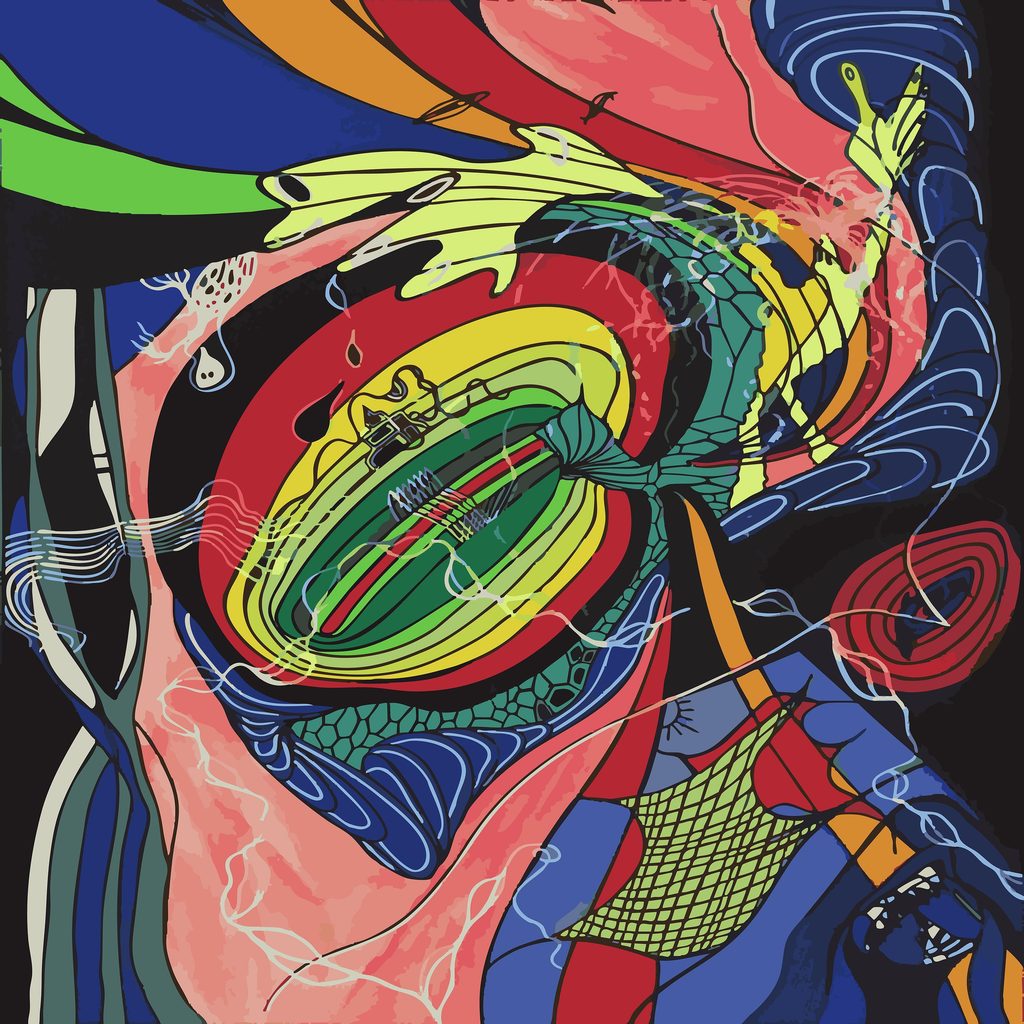
I Plead Irony just dropped their third album, “This Monologue Conversation“, and it’s the kind of record that reminds you why rock music still matters. This isn’t some overhyped, flash-in-the-pan garbage. This is a ten-year labour of love from three mates who have been slugging it out together since around 2004. Rauf Jordan on bass and vocals, Paul McDonald on guitar and backing vocals, and Lawrence Arnold on drums and backing vocals. These guys first jammed in bands called The Fins, Ipanema, and Atomic Garden before locking in as I Plead Irony. Two decades later, they’re still at it, and this album proves they’ve got plenty of gas left in the tank.
The backstory is wild. They started recording drums, bass, and some guitars with Guillaume Doussaud at Swan Sound Studio in France, then finished the rest at Rauf’s house. Most of it was done, but then life punched them in the face. Lawrence got a job that had him traveling constantly. Then the pandemic hit and the band basically fell apart for a while. For Rauf, watching the fear, division, and hostility that blew up during that time messed with his head. He started seeing modern life as a weird, fragile moment in a much longer, darker human story. That vibe seeps into every corner of this record.
Lyrically, it’s heavy. Fear, conformity, ego, anxiety, self-imposed limits, and self-destruction are all over these eleven tracks. But here’s the thing—they don’t just point fingers at the world. They turn the mirror on themselves too. The song “Inside The Lines” was originally about personal constraints, but after the pandemic, its language of boundaries and liberty took on a whole new meaning. And “History” was one of those songs that seemed to write itself, but years later its take on progress and reversal feels unsettling as hell. That’s the kind of songwriting that hits you in the gut.
Musically, the songs started as simple verses and choruses, then got pulled apart and jammed into shape. If an idea didn’t excite them enough to come back to it the next week, they tossed it. What survived made the cut. That’s how you get a record that feels alive and urgent, even though it took a decade to finish.
The tracklist is stacked. “Architect Effect” kicks things off with a punch. “Call In The Sun” and “Settle Or Raise” keep the momentum going. “Nervous System” and “Look Out Below” dig into darker territory. “Mark Me Down” and “Death By Internal Combustion” show they can stretch out and get epic when they want to. And then there’s the closer, “Falling Upwards“. This one was the last song written, and it deliberately offers a glimmer of hope after all the darkness. It’s about how love and connection can change your direction without you having to fight for it. You’re not climbing up—you’re falling upwards. That’s a hell of a metaphor to end on.
The album title itself is a beautiful contradiction. A monologue can’t be a conversation, right? Rauf apparently heard the phrase from a whisky vlogger, of all places, and it stuck. It fits perfectly with their tradition of self-referential titles like “This Statement Is False” and “The Solution Is The Problem“. These guys love a good paradox.
Bottom line: “This Monologue Conversation” is a triumph. It survived distance, a pandemic, and the band’s own procrastination. But underneath all that, it’s just three friends who still love making music together, and eleven songs they believed in. That’s rock and roll. Crank it up.