
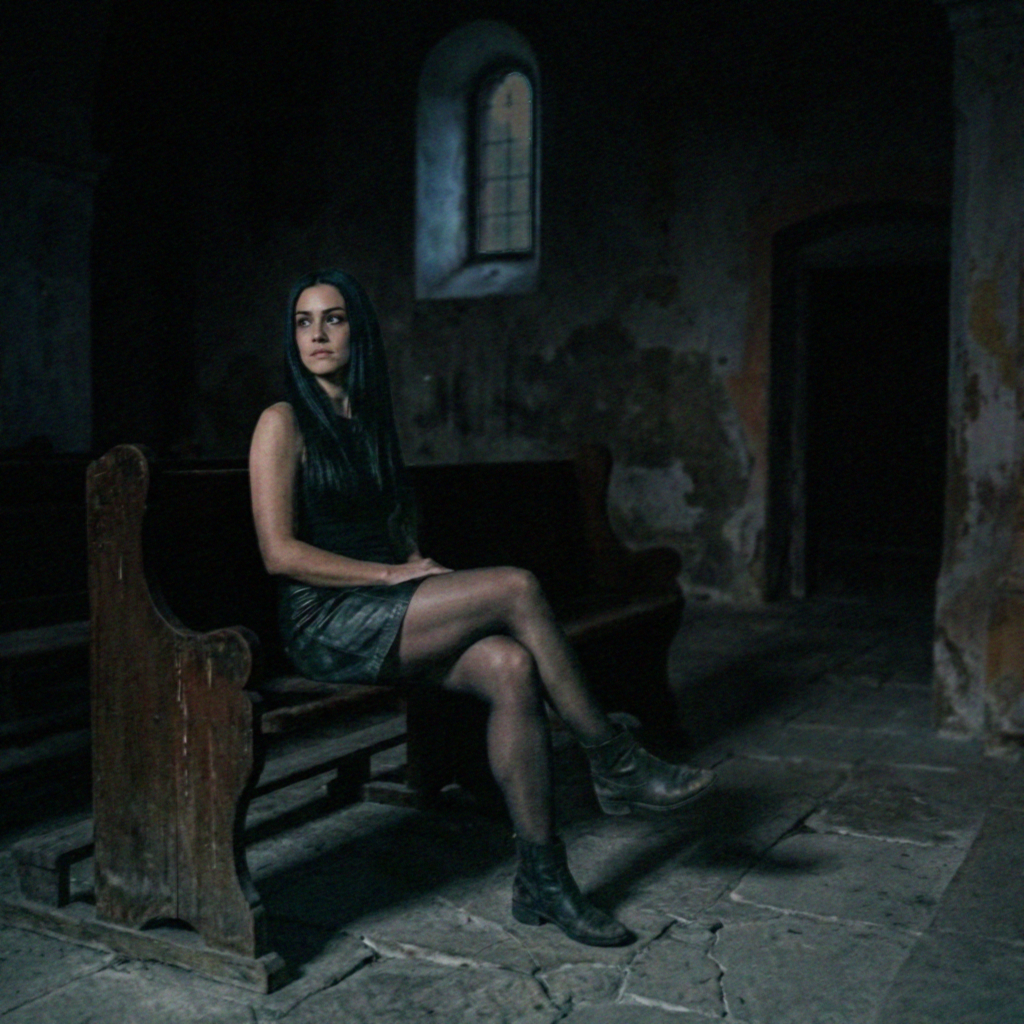
We spoke to Riley Finch about their music as an honest, alternative leaning sound that embraces rough edges and emotional tension rather than smoothing it out, often exploring the quiet aftermath of moments left unresolved. They discussed evolving toward a more authentic and less controlled style, and shared that their latest release Only When You Come captures that feeling of wanting something to matter more than it does, available now on major streaming platforms.
How would you describe your music to someone who’s never heard it?
I’d probably say it’s honest before anything else. It leans alternative, a little rough around the edges, sometimes heavier than it sounds like it should be, but it’s really built around whatever the song is trying to say. Some of it comes out quiet and restrained, some of it doesn’t. A lot of it sits in that space between wanting something and knowing you shouldn’t, or realizing something a little too late. It’s not really trying to clean that up or make it easier to listen to. It just kind of lets it be what it is. If you’re looking for something polished or detached, it probably won’t land. But if you’ve ever had something stick with you longer than it should have, you’ll probably recognize parts of it.
How has your sound evolved since you first started making music?
I think the biggest change is that I stopped trying to make it sound like something it wasn’t. Early on, I was a lot more focused on whether something felt “right” in a general sense, like it fit into a certain lane or sounded the way I thought it was supposed to. It wasn’t bad, it just wasn’t really mine yet. Over time, I started paying more attention to whether it actually felt honest instead. That changed everything. The songs got a little rougher, a little less controlled, but they made more sense to me. I’m also less interested now in keeping things in one place. If something needs to feel heavier, it does. If it needs to pull back, it does that too. I don’t really try to smooth those edges out anymore. It’s probably not more polished than before, but it’s definitely more accurate.
What’s a bizarre or unexpected inspiration behind one of your songs?
Honestly, some of the songs come from really small moments. I remember sitting in my car one night after getting home and just staying there longer than I needed to. No music, no phone… just thinking about everything I didn’t say in a situation. That kind of stuck with me. Not the big moment itself, but the quiet after it—when it finally hits you. I think a lot of my songs start there. Not in the chaos, but in what’s left when everything goes quiet.
What’s the most memorable moment of your music career so far?
I don’t really have one big, dramatic moment. It’s been a lot of smaller things kind of stacking up. But there was a point where I noticed people were saving the songs… like actually keeping them, not just clicking once and moving on. That felt different. I remember kind of staring at it for a second like… wait, why this one? Out of everything you could be listening to, you kept that? It’s a weird feeling. Part of you is grateful, part of you is overthinking it, part of you wants to ask them what they heard in it that you didn’t. I don’t know if there’s been a “big moment” yet… but that was probably the first time it felt like something was actually happening.
Tell us all you can about your latest release and where and when to find it?
The latest release is Only When You Come. It’s… I don’t know, it sits in that space where you want something to matter more than it does, and you kind of have to deal with that. It’s out now—Spotify, Apple Music, wherever you listen.